Rolex
Bespoke strap for Rolex GMT-Master
Casati Milano builds made-to-measure straps for the Rolex GMT-Master, from the 6542 of airline pilots to today’s GMT-Master II, in the atelier on Via XX Settembre in Milan or by video call wherever you are: the size read from the archive of your reference, the leather chosen together, four or five weeks of work, care for the first eighteen months included.
- By appointment only
- In the atelier in Milan or by video call
- Four to five weeks
- Eighteen months of care
References in the archive
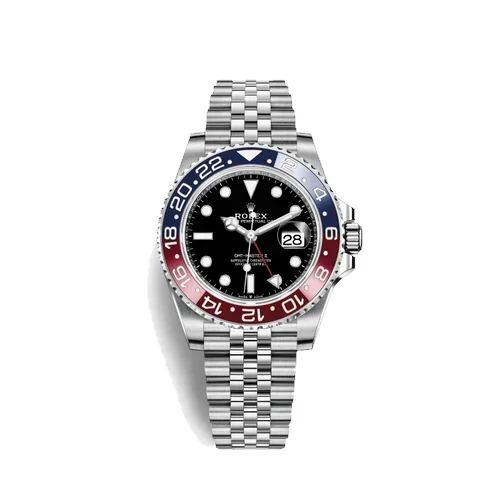
Your Rolex GMT-Master with the leathers of the atelier
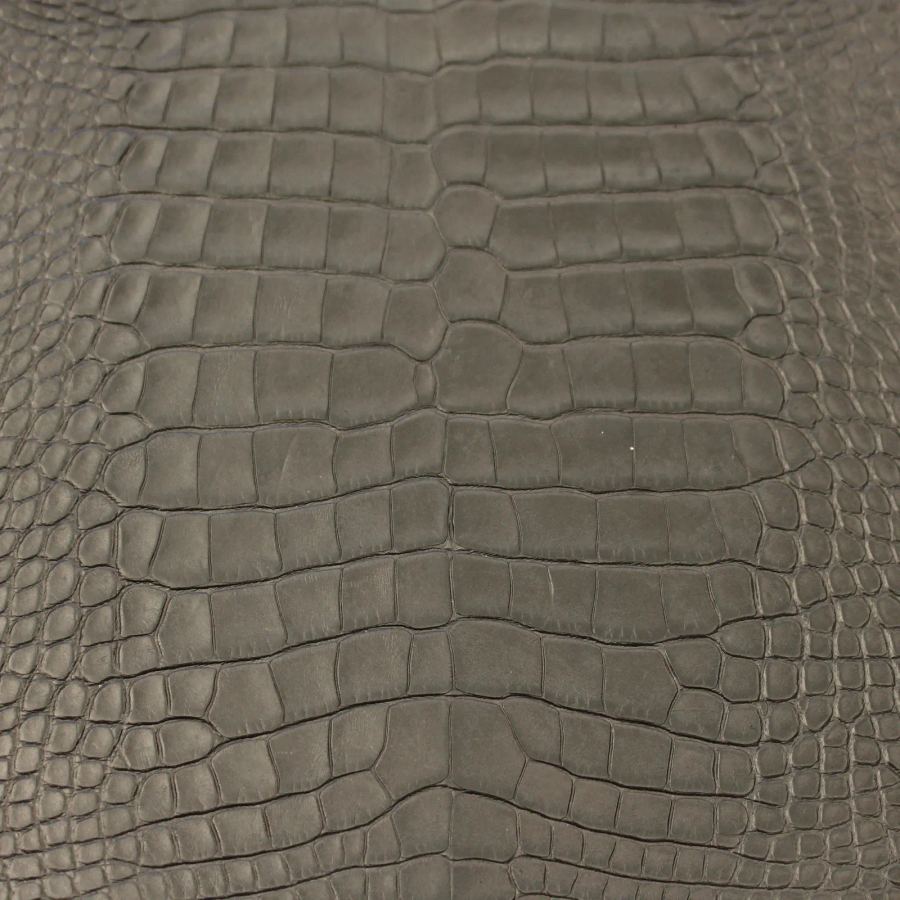
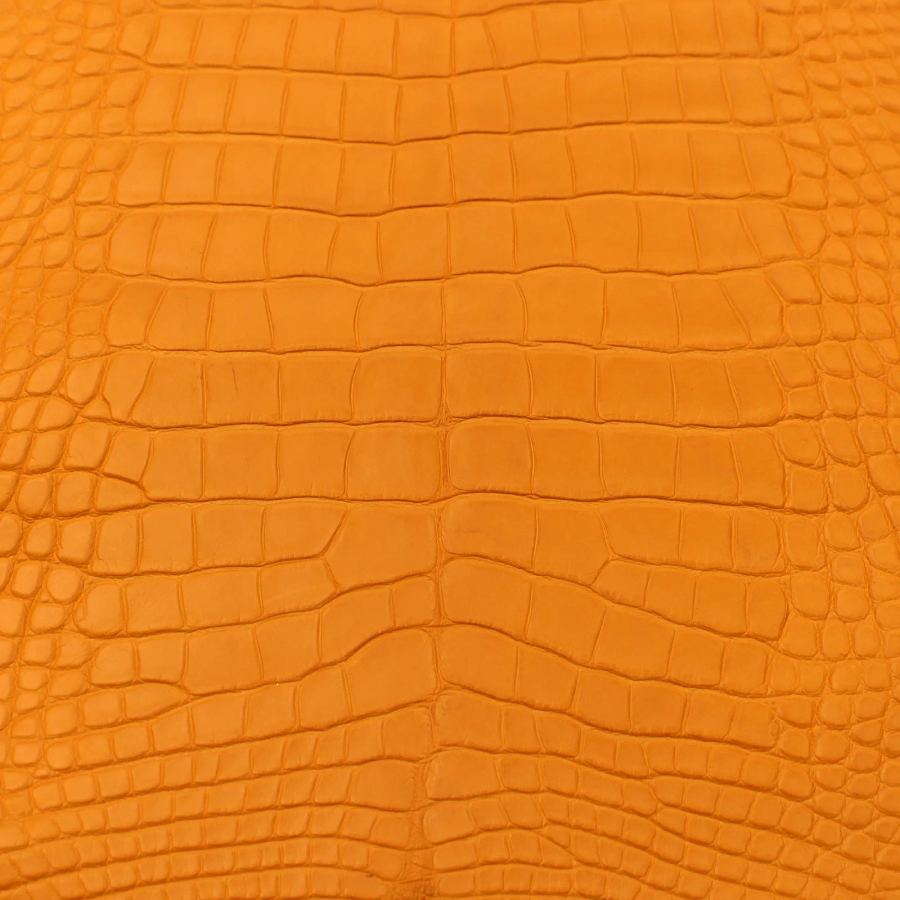
Matte Louisiana alligator leather
Anthracite
1 / 32
Real photographs of the atelier’s leathers. No generated images.
The lug width
We do not ask you for it. The atelier’s archive knows the GMT-Master references one by one: the lug width, the case, the years. Below is what the archive says today; from the reference one traces the rest. The watch stays on your wrist.
What changes for the strap
The strap takes the place of the bracelet and its end links, and its tip follows the profile of the case between the two lugs. The archive tells us the lug width of your reference.
The leather
Alligator, box calf, suede, shell cordovan: the leather is chosen together, in the atelier or by video call. Where it passes between the lugs, the strap is as thin as needed; at the wrist it returns to its full thickness. The calf lining, the edges painted in several layers, the hand stitching in saddle stitch.
The time
Four to five weeks from confirmation. At the atelier in Via XX Settembre or by video call, wherever you are. Care for the first eighteen months is included.
The next step
The right strap is not chosen. It is built together.
In the atelier in Via XX Settembre or by video call, wherever you are.
Request an appointment →Casati Milano · Via XX Settembre 15, Milan · by appointment only
Six generations
The GMT-Master was born in the mid-1950s with reference 6542, designed for Pan Am pilots: a fourth hand and a rotating bezel graduated over 24 hours to read a second time zone. With the 16760 comes the GMT-Master II, which adjusts the hour hand in one-hour increments, independently. From the 1675 to today’s references, the case is 40 mm, with 20 mm between the lugs.
6542: the first
The first reference, made for Pan Am pilots: a 38-millimetre case without crown guards, bakelite bezel.
1675
From 1959 to 1980: the case grows to 40 millimetres and crown guards appear on the steel. Between the lugs, 20 millimetres.
16750 and 16700
The 16750 houses the calibre 3075 with quickset date; the 16700, from 1988 to 1999, is the last GMT-Master. Lug width, 20 millimetres.
16760 and 16710: the GMT-Master II
The 16760 is the first GMT-Master II: with the calibre 3085, the hour hand can be set independently, in one-hour increments, without moving the 24-hour hand. The 16710 follows it from 1989 to 2007. Lug width, 20 millimetres.
116710: the ceramic
From 2007 the steel version has a ceramic bezel and a more substantial case, still 40 millimetres, with wider lugs and shoulders. Between the lugs, 20 millimetres remain.
126710: the return of the Jubilee
In 2018 the steel version returns with the red and blue bezel, the calibre 3285 and the Jubilee bracelet; today one chooses between Jubilee and Oyster. Between the lugs, 20 millimetres.