Rolex · Daytona
Bespoke strap for Rolex Daytona
Casati Milano builds made to measure straps for the Rolex Daytona, manual wind and automatic, at the atelier in Via XX Settembre in Milan or by video call wherever you are: the size read from the archive for your reference, the leather chosen together, four or five weeks of work, care for the first eighteen months included.
- By appointment only
- In the atelier in Milan or by video call
- Four to five weeks
- Eighteen months of care
Lug width
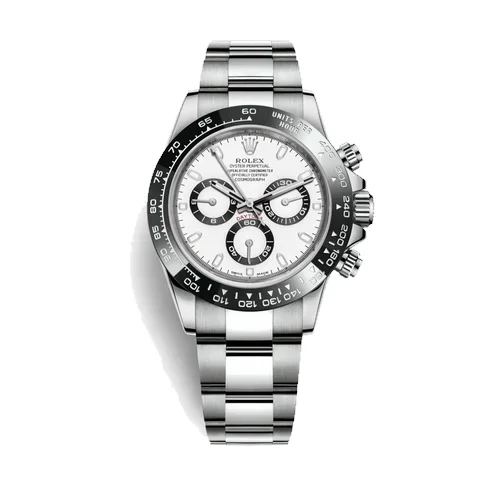
Your Rolex Daytona with the leathers of the atelier
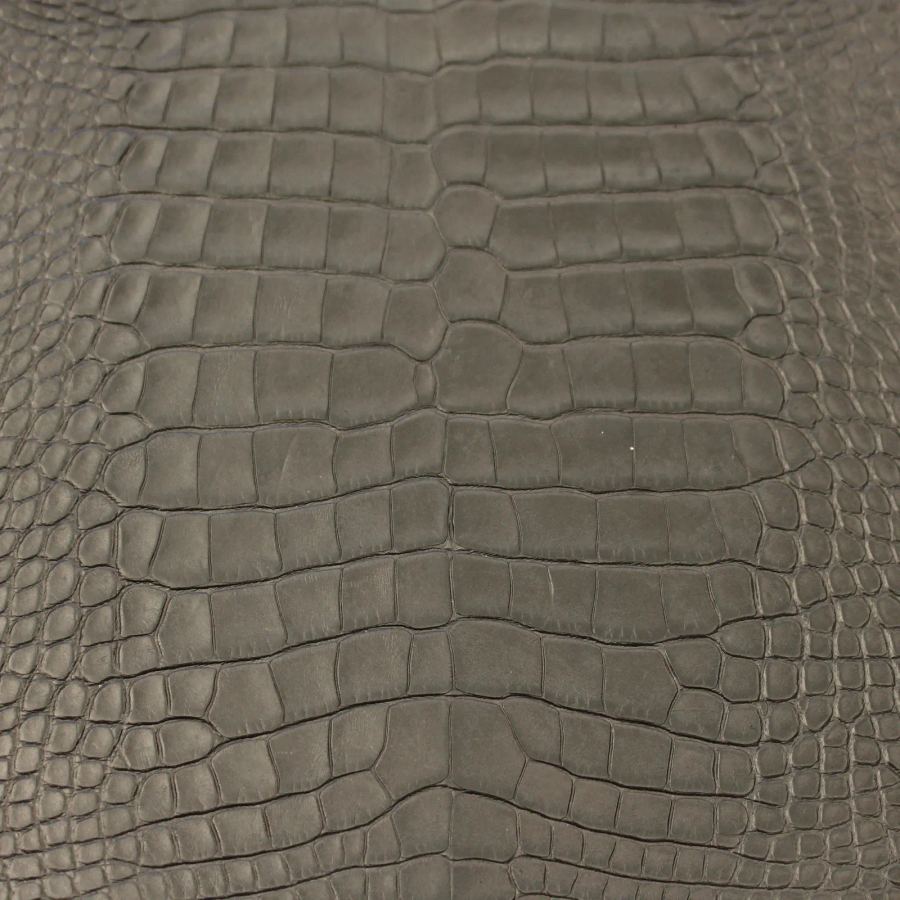
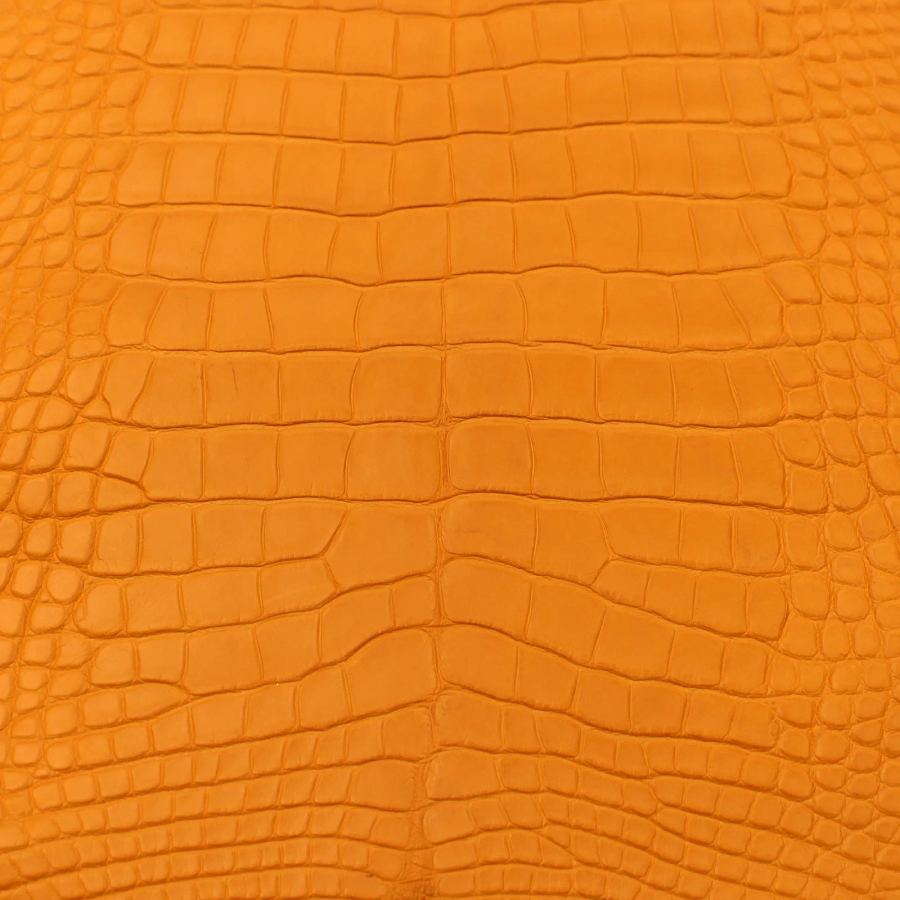
Matte Louisiana alligator leather
Anthracite
1 / 32
Real photographs of the atelier’s leathers. No generated images.
The size
We do not ask you for it. The atelier's archive knows the Daytona references one by one, from the manual-wind models of the Sixties to the current ones: the size between the lugs, the case, the years, the drilled lugs. Below is what the archive says today; from the reference engraved between the lugs the rest follows. The watch stays on your wrist.
What changes for the strap
With drilled lugs the spring bar is pushed through the hole, from outside; with solid lugs it is removed with the tool, from inside. In both cases the strap takes the place of the bracelet and its end links, and the tip follows the profile of the case between the two lugs. Which of the two your reference has is stated by the archive.
The leather
Square-scale alligator for the panda and black dials, box calf for the manual-wind models, shell cordovan for everyday wear. Where it passes between the lugs the strap is as thin as needed; on the wrist it returns to its full thickness. The calf lining, the edges painted in several layers, the hand stitching in saddle stitch.
Time
Four, five weeks from confirmation. At the atelier in Via XX Settembre or by video call, wherever you are. Care for the first eighteen months is included.
Four generations
The Daytona was born in 1963 with reference 6239, manual wind, on the riveted Oyster bracelet; leather has accompanied it from the start, on the first examples and on the gold models. For those who collect it, every generation has its calibre, its bracelet, its end links, its lugs. Below, as the atelier knows them.
Manual wind, 1963–1988
References 6239, 6240, 6241, 6262, 6264, 6263, 6265. Calibres 722 and 722-1, from 1969 the 727. Pump pushers on 6239, 6241, 6262 and 6264; screw-down pushers on 6240, 6263 and 6265. Case 37 millimetres, drilled lugs, acrylic crystal. In steel: riveted Oyster bracelet 7205 with 57 end links, then the 7835 with folded links and 271 end links, from 1977 the 78350 with solid links and 571 end links. In gold: riveted Oyster 7205 in 18 carat gold with 71 end links, or leather; the 6269 and 6270 with diamond bezel come on the same gold 7205, 71 end links.
Zenith, 1988–2000
References 16520, 16523, 16528; 16518 and 16519 in gold on leather, from 1991. Calibre 4030 on an El Primero base, case 40 millimetres, sapphire crystal, lugs still drilled. Steel: bracelet 78360 with 503 end links until 1993, then 78390 with 503B end links, solid end links towards the end. Rolesor 16523: 78363 with 403 end links, then 78393A with 703 end links. Gold 16528: gold Oyster with 103 end links, clasp 78668 then 78398.
Six digits, 2000–2023
In-house calibre 4130, solid lugs. Steel 116520: bracelet 78490 with solid end links (840 end link), then 78590 (843 end link); 116500LN from 2016, the first steel Cerachrom, on the 78590. In gold on leather until 2017: the 116515LN from 2011 carries the first Cerachrom bezel; from 2017 the Oysterflex replaces leather on the gold models.
Current, from 2023
Calibre 4131; 126500LN in steel on the Oyster from the 78590 family, Oysterflex on precious metals.
The next step
The right strap is not chosen. It is built together.
In the atelier in Via XX Settembre or by video call, wherever you are.
Request an appointment →Casati Milano · Via XX Settembre 15, Milan · by appointment only