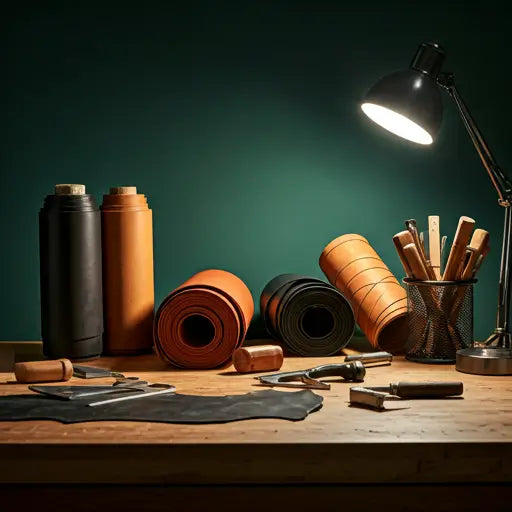
First, the leather.
Chosen at the counter, one by one, against the grain and against the light. Not from a catalogue: from the leather on the table that day, for that watch, for that wrist.
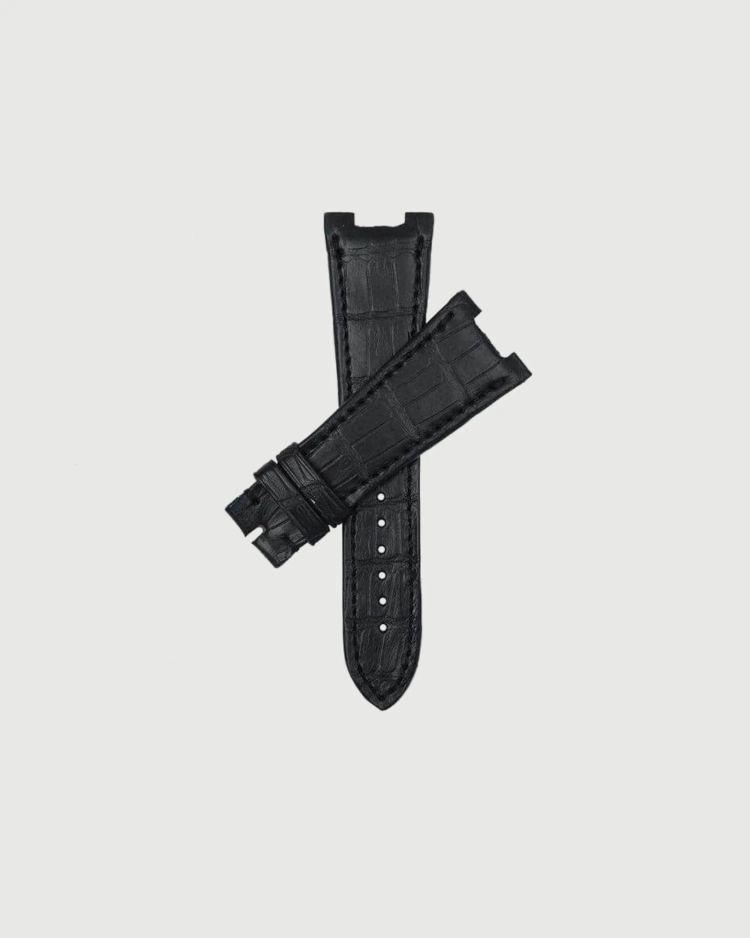
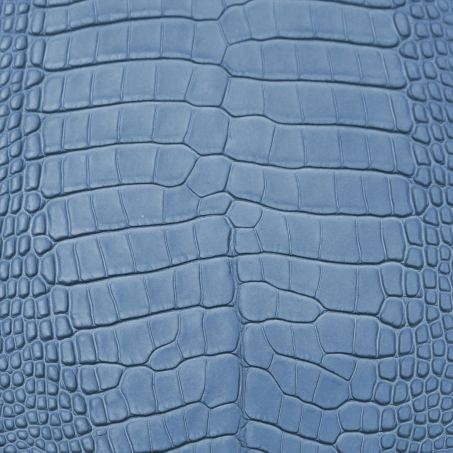
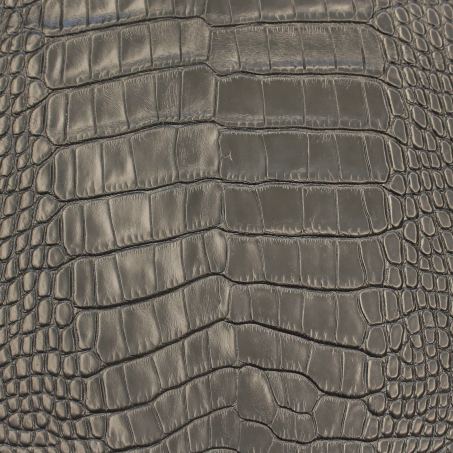
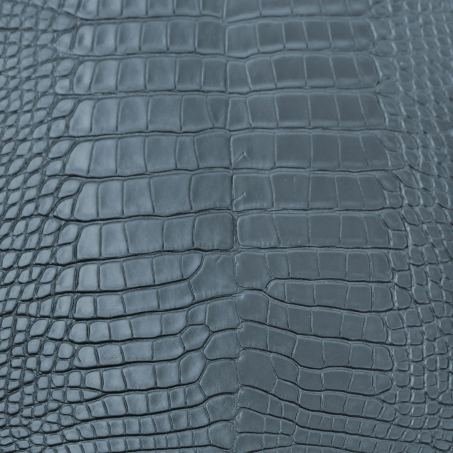
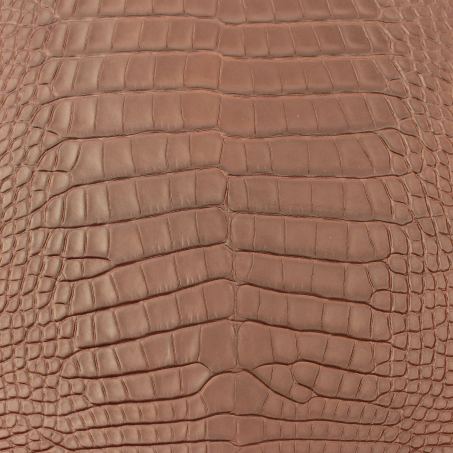
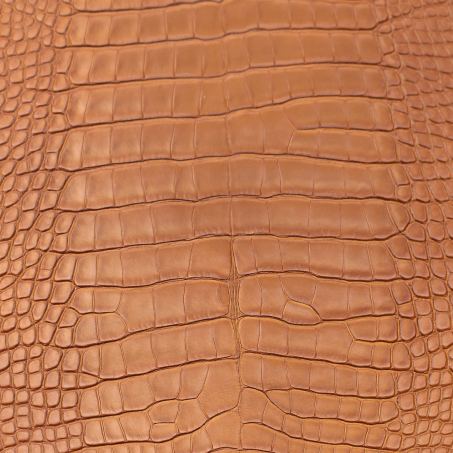
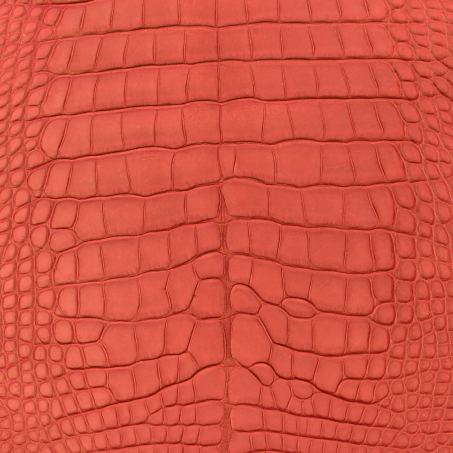
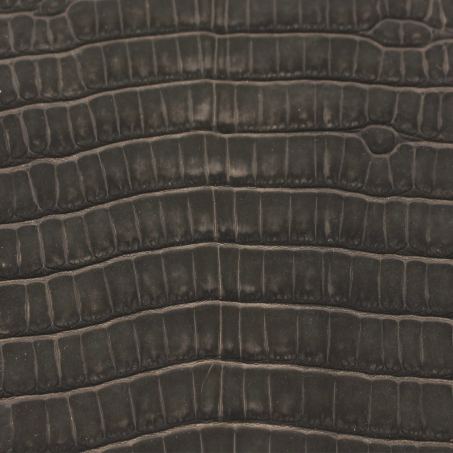
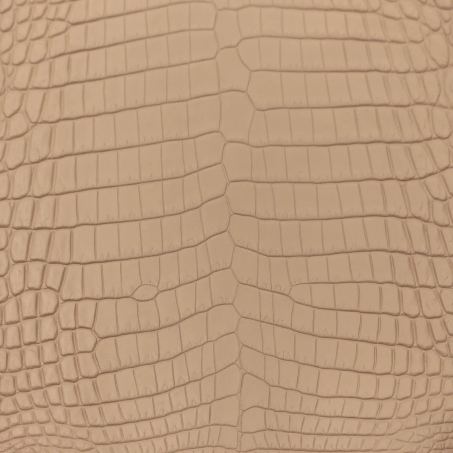
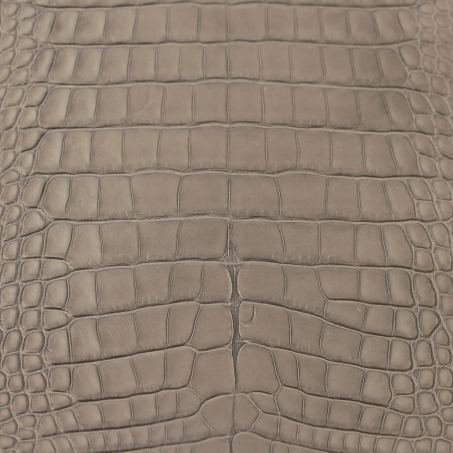
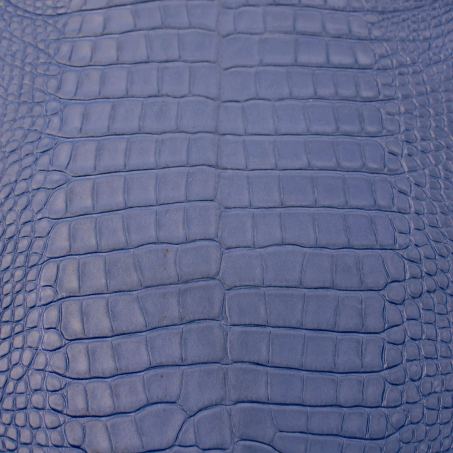
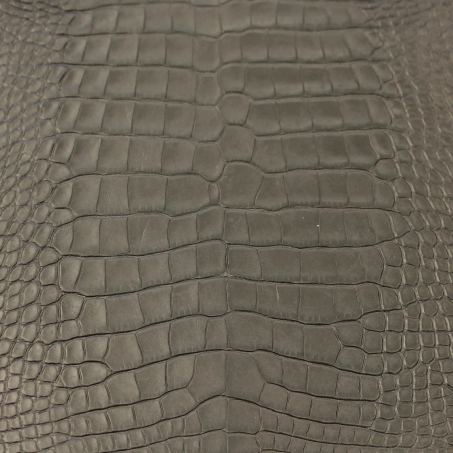
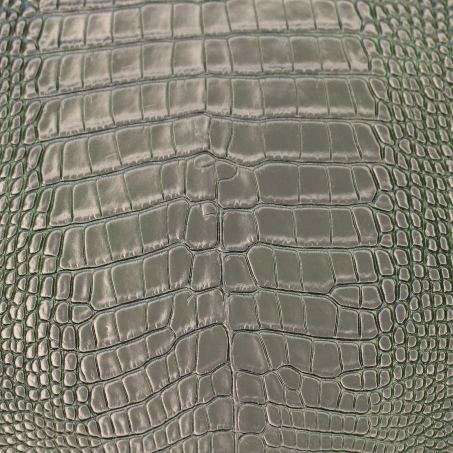
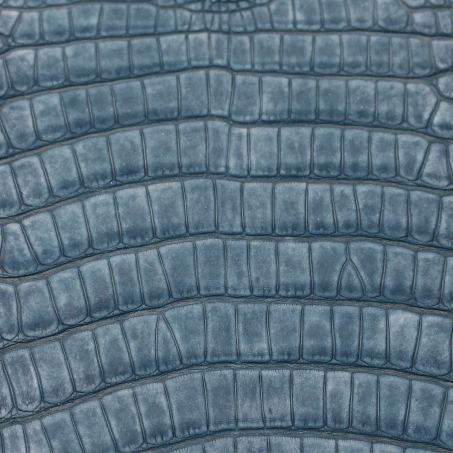
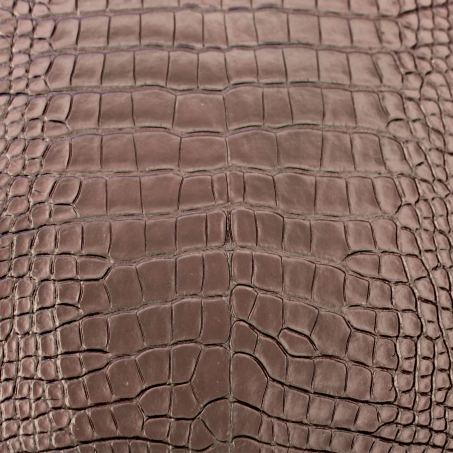
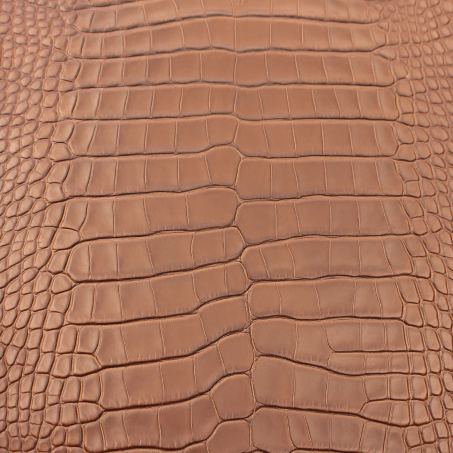
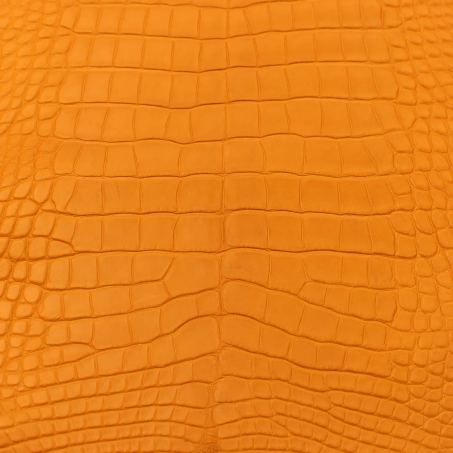
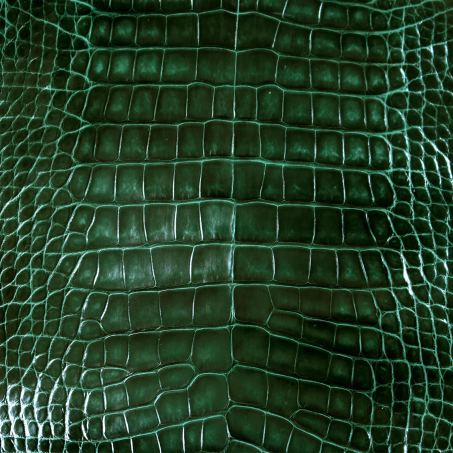
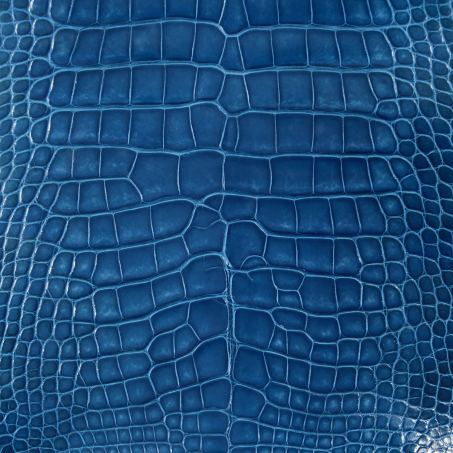
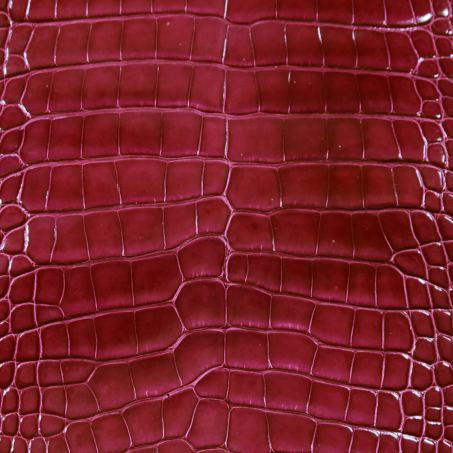
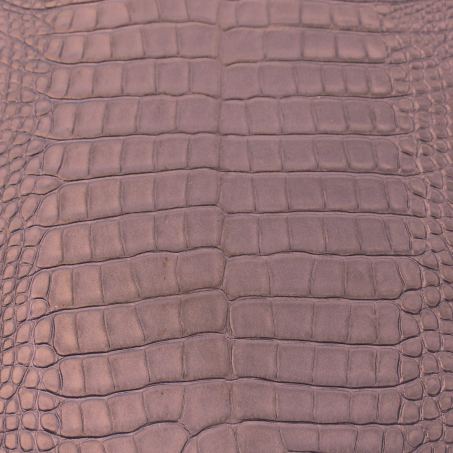
Louisiana alligator
The regular scale, the grain that changes from one area to another on the same leather: choosing the cut is already half the work. Matte or glossy. With its CITES.
Twenty-two colours on the counter today. Viewed in natural light, next to the dial.
Request an appointmentLouisiana alligator, the colours on the counter
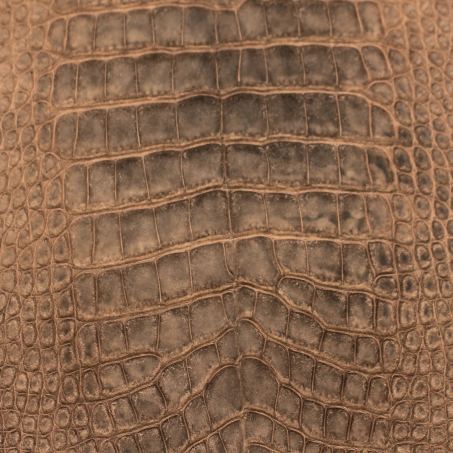
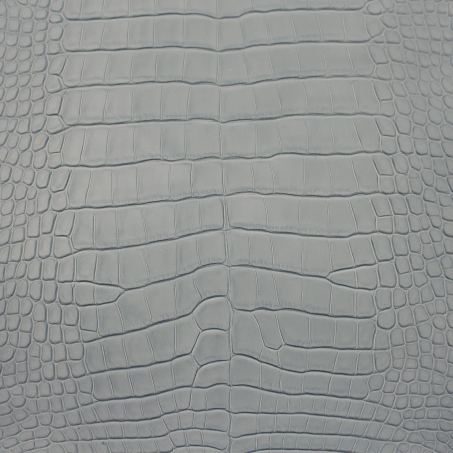
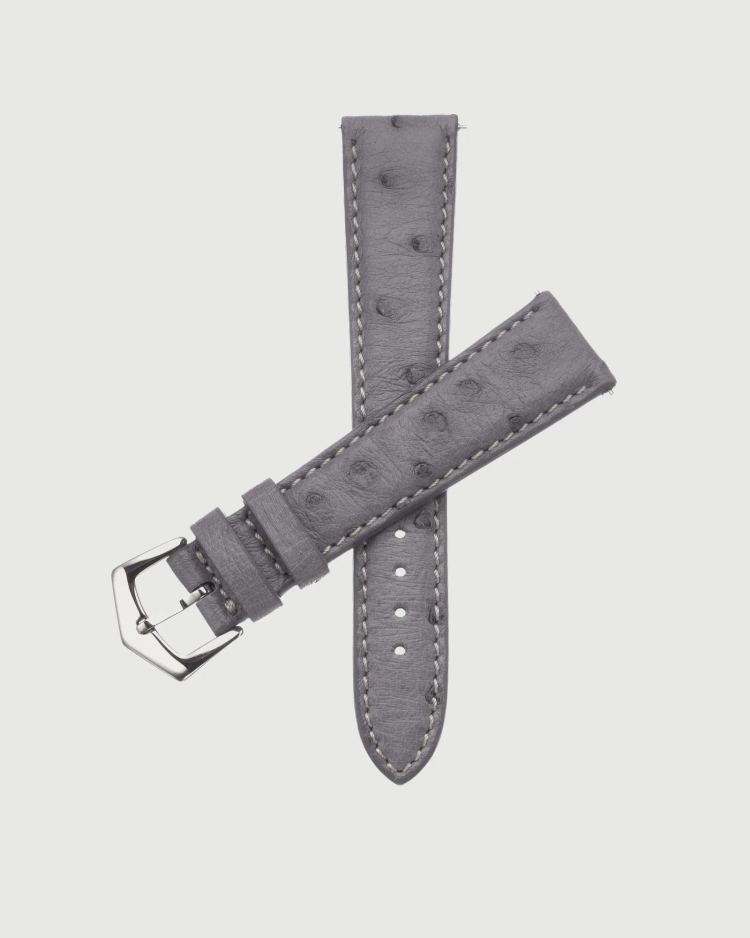
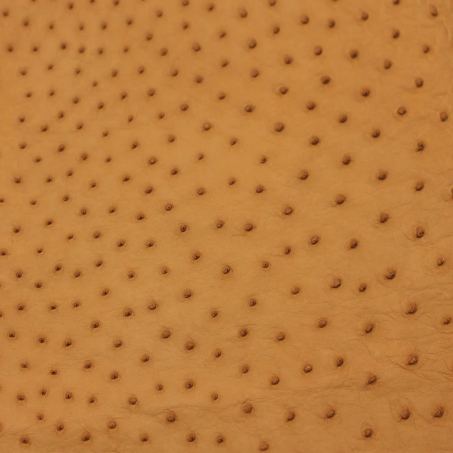
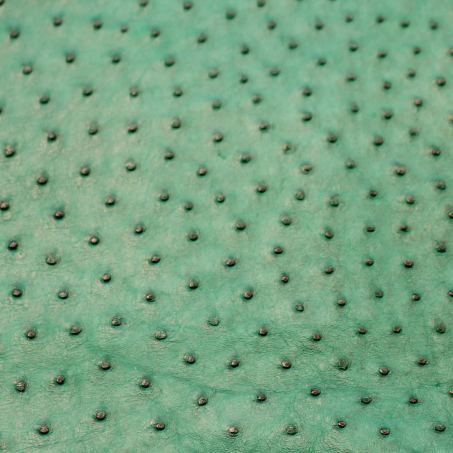
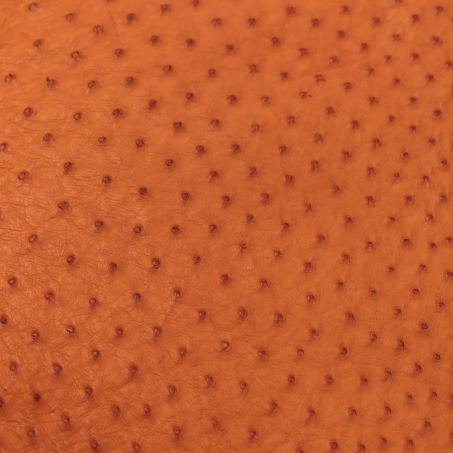
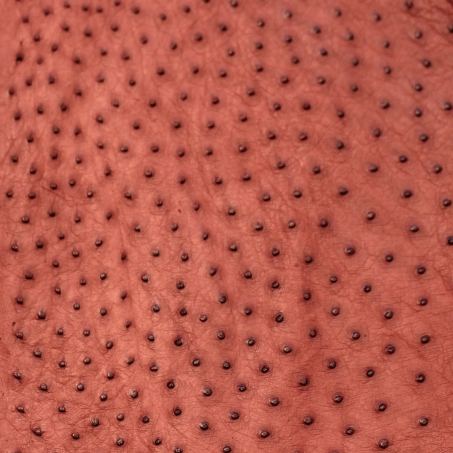
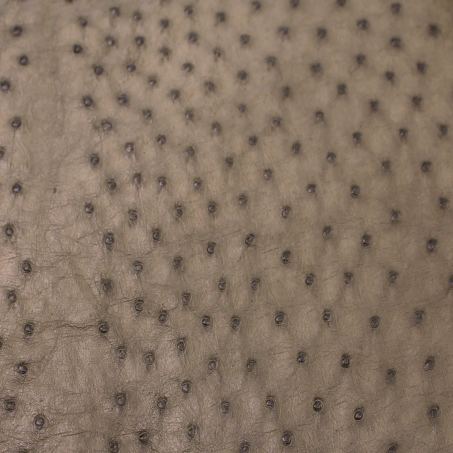
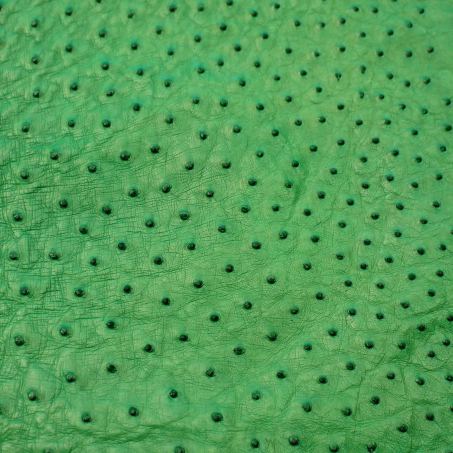
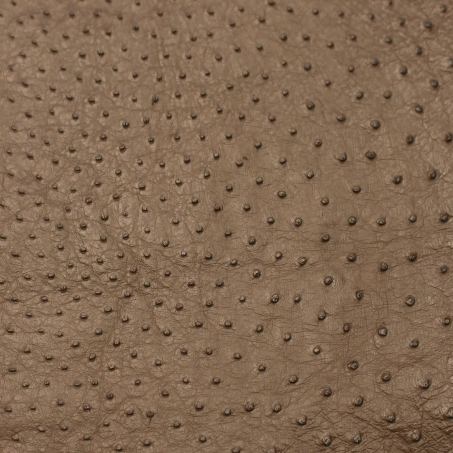
Ostrich
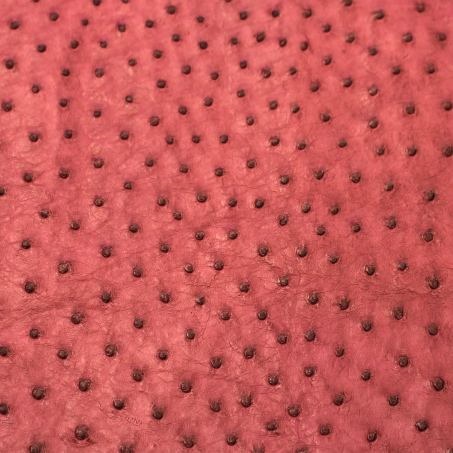
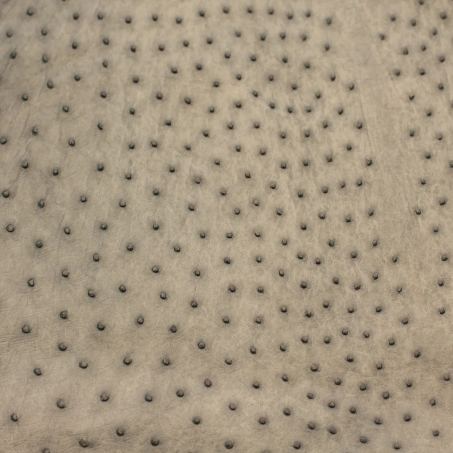
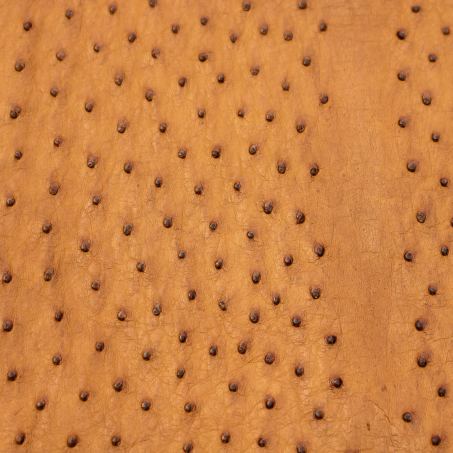
The quill pores, raised, arranged in a pattern that is never the same twice. Light, soft from the first day.
Ten colours at the counter today.
Request an appointmentOstrich, the colours at the counter
Shell cordovan
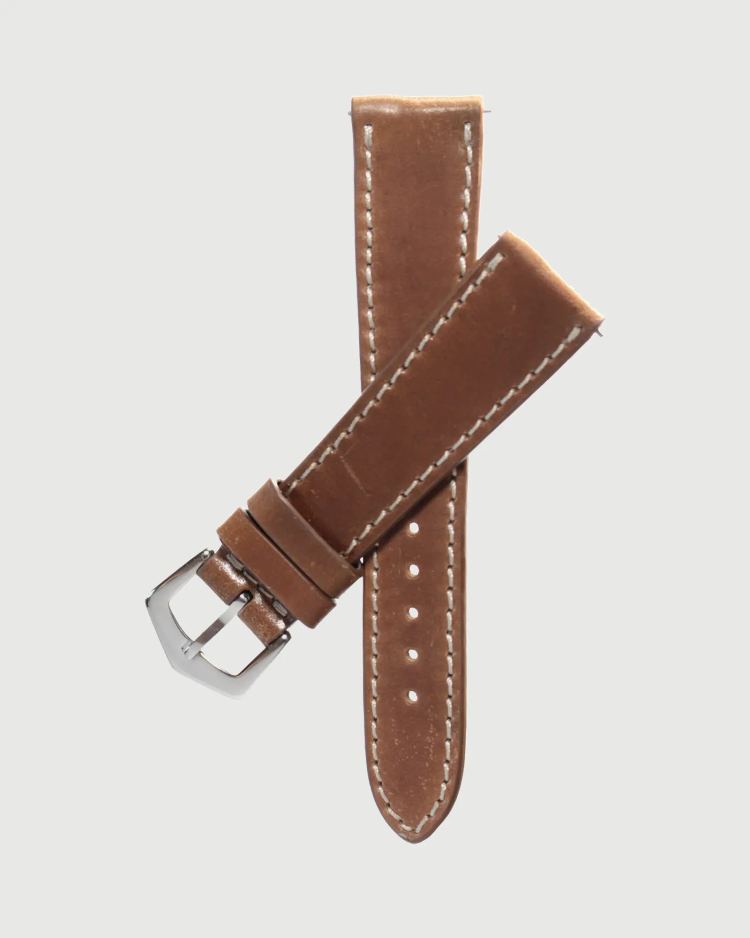
It is not a leather in the common sense: it is a fibrous layer from the horse's hindquarters, tanned at length. Few straps per animal. It ages with a sheen other leathers do not have.
Request an appointment
The other leathers on the bench
Box calf: fine grain, smooth surface, clean fold. The leather against which everything else is measured.
Suede: the flesh side of the calf, left exposed. Matte, soft, for everyday wear.
Vegetable-tanned leather: tanned with plant tannins, without chromium. It changes colour with light and with the wrist: the patina is its way of ageing.
Crocodile: a relative of the alligator, not the same thing. With its CITES.
Request an appointmentLeathers change with the seasons and with what the tanneries have. What you see here is a list, not a showcase: the choice is made together.
Request an appointment