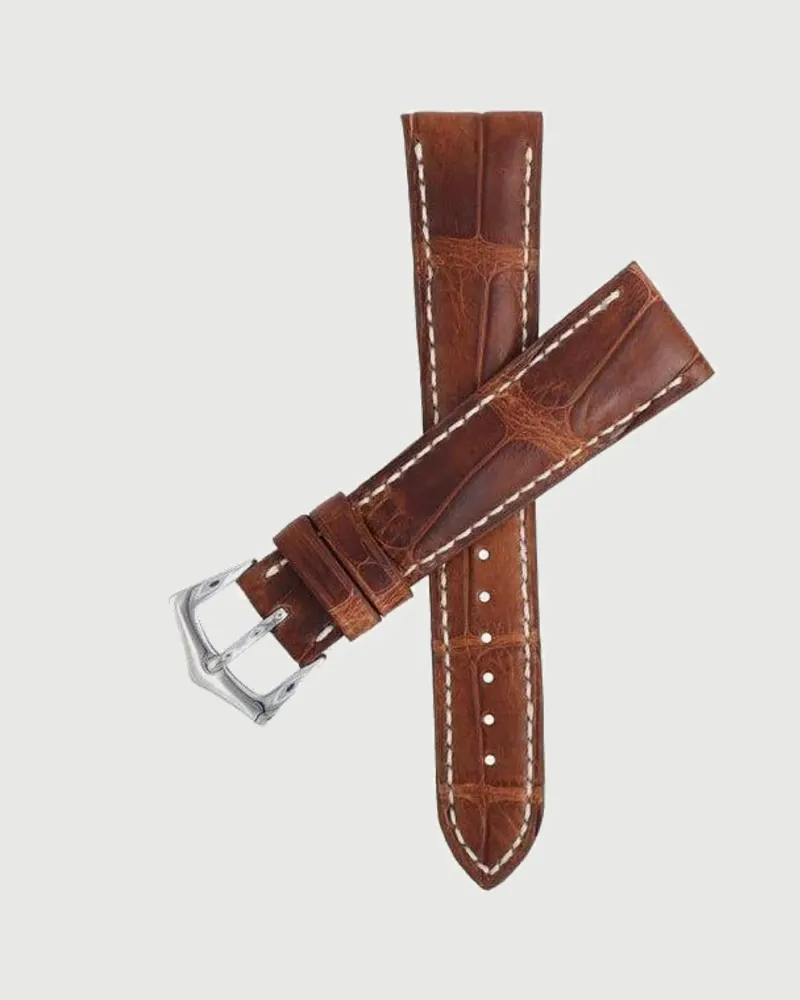
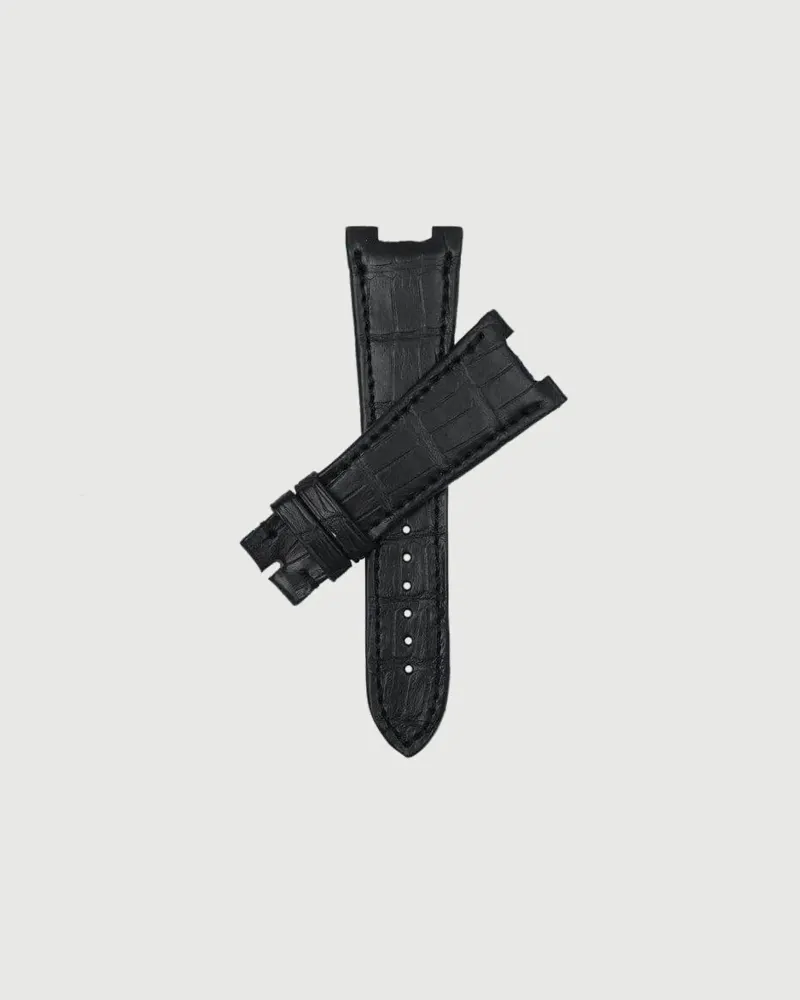
From the first message to delivery.
It begins on WhatsApp, or with a time set: in the atelier or by video call. Your watch at the centre.
The measure and the leather
The measure comes from the atelier's archive, which knows the lug width of over thirty-nine thousand references, or in person. From a distance, without the watch having to travel: when needed, you send us the strap you wear today.
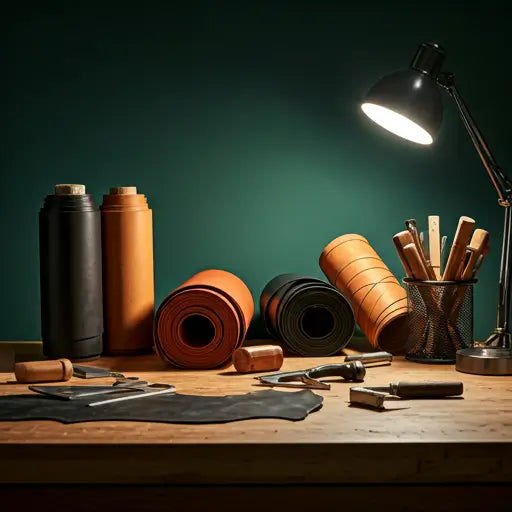
The leather is chosen together, at the workbench or on the sample. Colour, grain, thickness, stitching, buckle: everything is decided before the knife touches the leather.
Request an appointment
The workbench
Cutting, skiving, lining, machine or hand stitching. Some fifty steps. Photographs arrive on WhatsApp as the piece takes shape.
Request an appointment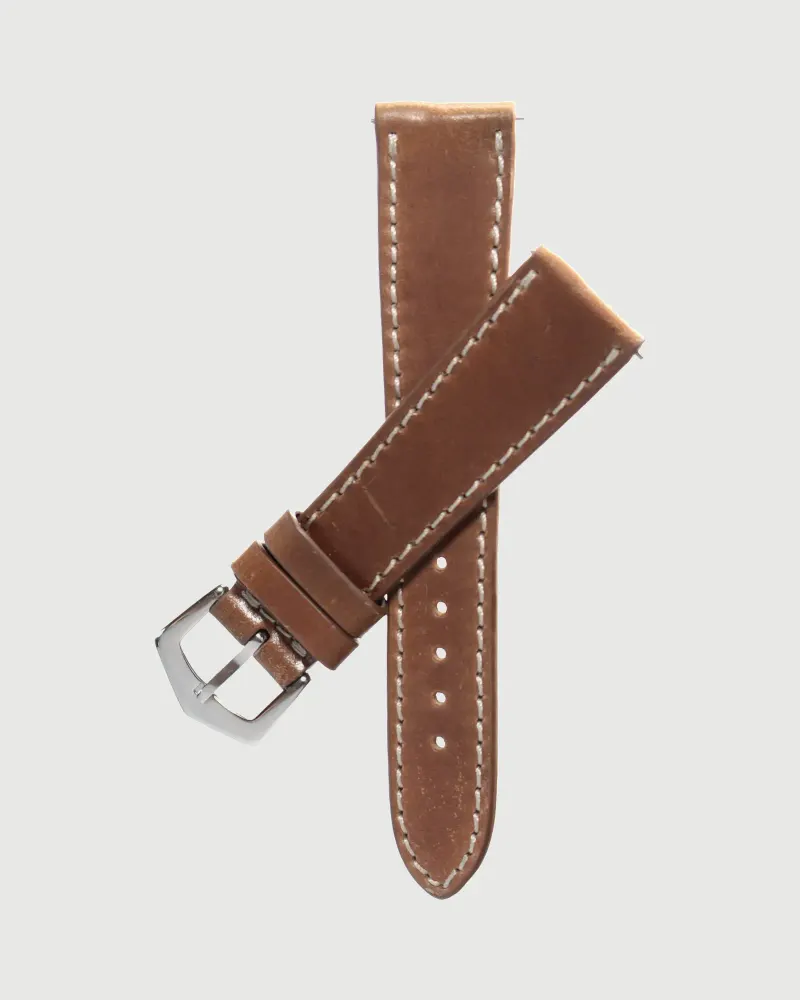
Delivery, and after
Four, five weeks from confirmation. In the atelier, with the strap fitted to the wrist. Or shipped: a trusted watchmaker fits it in a few minutes.
Care for the first eighteen months is included. The piece remains in the register of works, with its leather and its measurements.
Request an appointment1. The conversation
It begins on WhatsApp with a photograph of your watch, or with a time set: in the atelier on Via XX Settembre, or on a video call. You speak of the watch, of how you wear it, of what disappointed you in the straps you have had.
2. The measurement
The lug width from the atelier's archive, which holds over thirty-nine thousand references, or from the photograph. The wrist with a tailor's tape, or with the strap you wear today: you tell us which hole you close it on, and we know where the buckle must fall.
3. The leather
At the bench, in hand; at a distance, shown one by one before the camera, in natural light. Colour, grain, finish, thickness, stitching, edge, buckle: everything is decided before the knife touches the leather.
4. The cutting and the skiving
It is cut where the leather is right for that strap, not where it remains. Then the skiving: the thickness is lowered towards the lug and towards the tip, by hand, until the strap enters the case without forcing and passes through the keeper without effort.
5. The lining, the core, the edges
The lining in calf, a core that holds the shape, the gluing and the pressing. Then the edges: raw, or painted in several layers with sanding between one and the next, or bound.
6. The stitching
By machine as standard, fine and regular. By hand if chosen: saddle stitch, two needles, waxed thread. Tone on tone, or contrasting if you have asked for it.
7. The buckle and the fitting
Pin buckle, deployant, or your original clasp refitted. The strap is tried on the watch, bent, closed. If something is not right, that part is remade; it is not delivered.
8. The delivery
Four, five weeks from confirmation. In the atelier, fitted to the wrist. Or shipped, with the spring bars and a few lines for your trusted watchmaker. Photographs of the work have reached you on WhatsApp along the way.
9. Afterwards
The piece remains in the atelier's register, with its leather and its measurements: the second strap is made without remeasuring. Care for the first eighteen months is included: lining and stitching are redone; damage from improper use is not.